Turning "Red Zones" into "Blue Oceans": JDEnergy Unlocks the Grid-Connection Dilemma in Restricted PV Zones

How to break the grid-connection deadlock in red zones and empower a new ecosystem for PV energy storage? Centered on this key topic, the Special Seminar on Grid-Connection for Retrofit Anti-Islanding and Energy Storage Equipment in Red Zones was grandly held in Shijiazhuang on December 20. More than 200 elites from across the new energy industry chain gathered to conduct in-depth discussions combining industry pain points and practical applications, jointly exploring optimized pathways and injecting new momentum into the development of PV red zones.
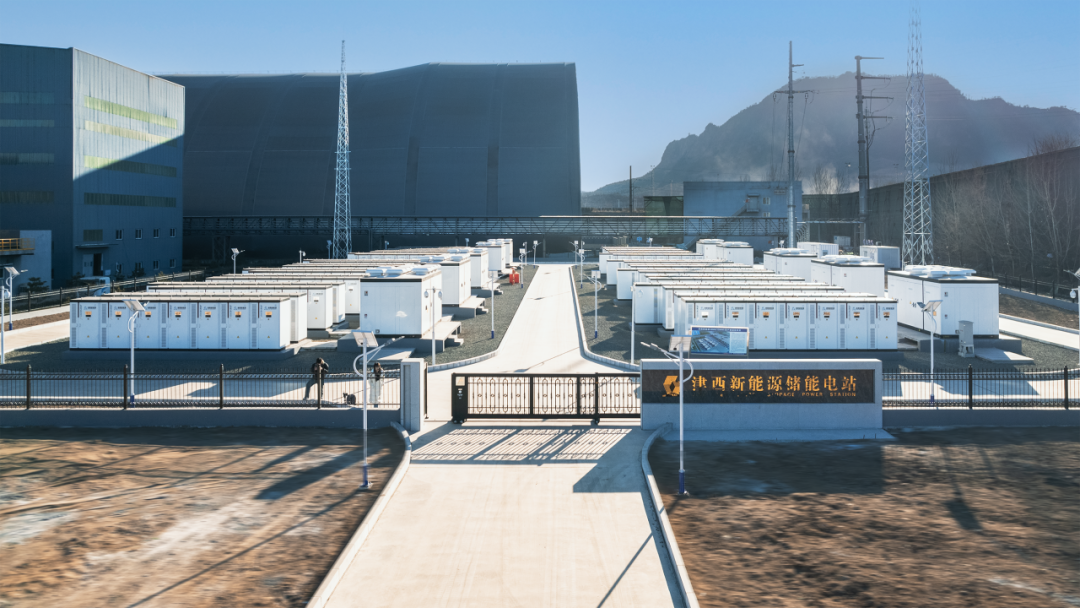
JDEnergy has deeply engaged in the energy storage sector for many years, with projects spread across China. Its delivered 60MW/120MWh behind-the-meter energy storage project for HB Jingxi Iron & Steel is not only the largest behind-the-meter distributed modular energy storage project in North China, but also achieves a high investment return rate of 24% and a short static payback period of 3.7 years. With remarkable economic value, it sets a demonstration benchmark for the green transformation of energy-intensive industries.
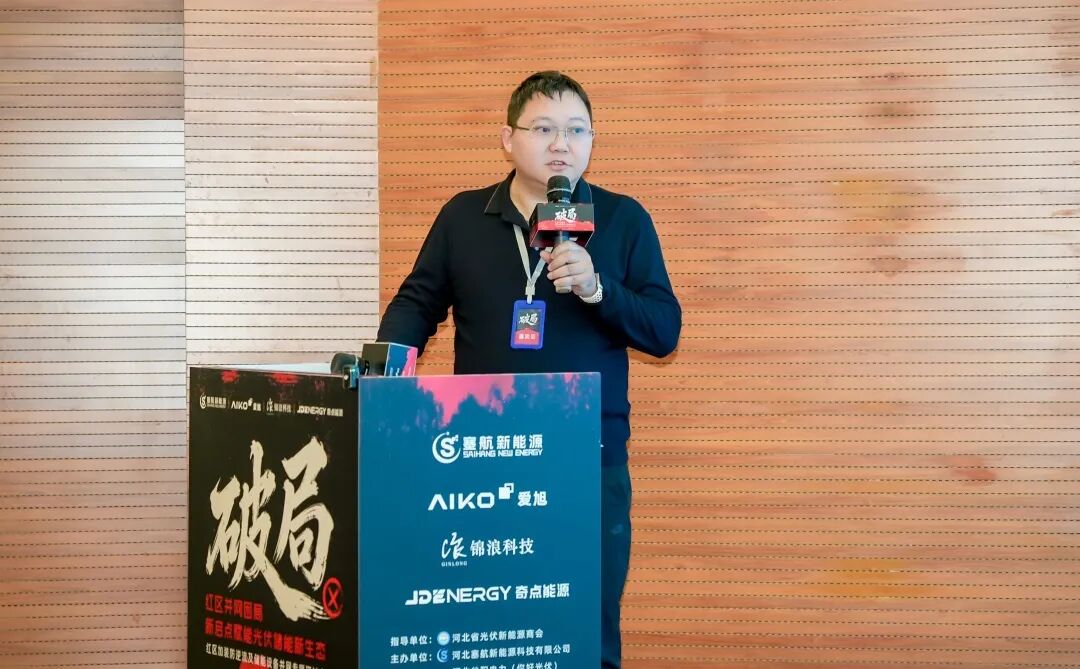
At the seminar, Li Chen, Deputy General Manager of the Domestic Marketing Division of JDEnergy, was invited to deliver a keynote speech titled Smart Energy Storage Helps Break the Deadlock in PV Red Zones. He pointed out that energy storage serves as the "access pass" and "regulator" for PV grid-connection in red zones. Its core value lies in on-site consumption of surplus PV power, restraining reverse overload and overvoltage, smoothing voltage fluctuations, and improving power quality. It turns otherwise abandoned PV surplus power into additional economic benefits, helping PV red zones realize compliant grid-connection and higher returns.
Taking a 2MWp distributed PV project in Shijiazhuang with a monthly electricity consumption of 860,000 kWh as an example, Mr. Li explained in detail: after being equipped with a 0.6MWh energy storage system (equivalent to 3 sets of 100kW/200kWh distributed energy storage cabinets), the local self-consumption rate of PV power increased from 94.01% to 96.39%, and the project’s annual average revenue rose by 140,000 yuan. Calculated over a 25-year lifetime, the project’s total lifecycle revenue increased by 3.48 million yuan, representing considerable economic benefits.
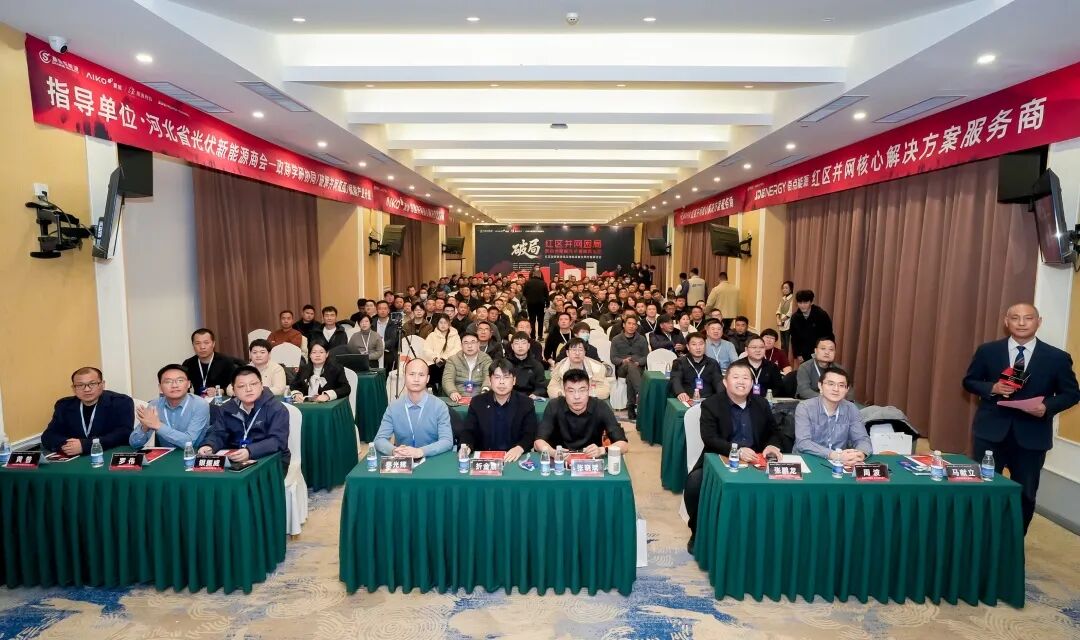
It is evident that energy storage can not only facilitate the compliant grid-connection of PV systems in red zones, but also significantly improve the economic benefits of distributed PV projects, providing an effective solution to the dilemma of PV red zones. At the conference, JDEnergy attracted strong recognition and interest from numerous customers with its solid technical strength and outstanding market performance. Consultations and business negotiations remained highly active throughout the event.
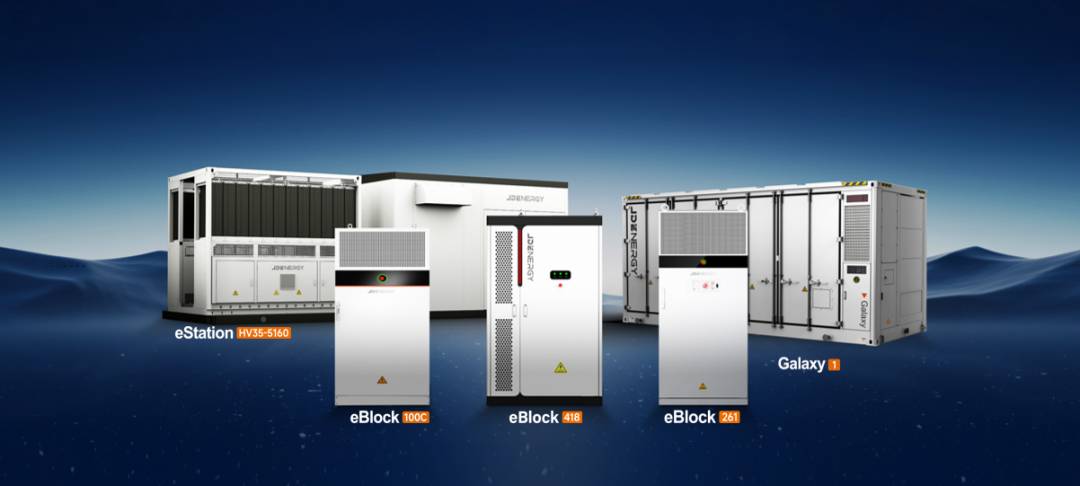
As the synergy of PV and energy storage becomes increasingly prominent, energy storage has become an indispensable "key" to unlocking the grid-connection dilemma in PV red zones. In the future, JDEnergy will continue to promote the deep integration of energy storage technologies and application scenarios, join hands with all stakeholders in the industry to build an open and win-win ecosystem, turn "red zones" into "blue oceans", and illuminate a green future of sustainable development.